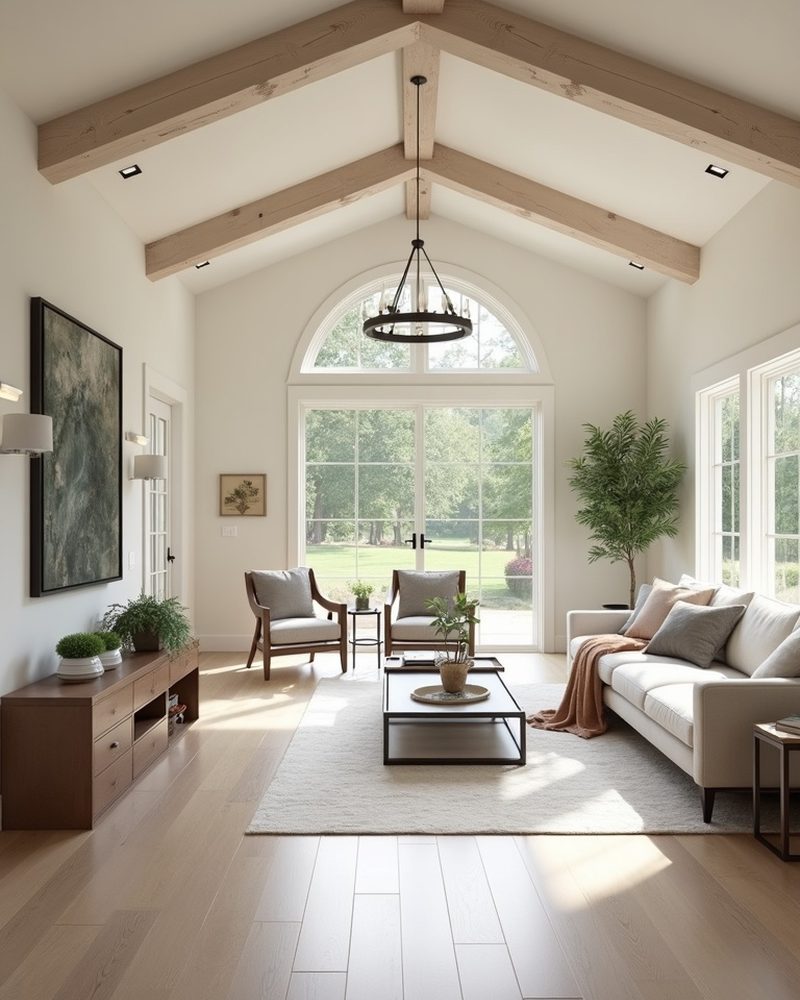
The Northeast Atlanta market is more than headlines and price charts. Buyers and sellers who pay attention to everyday neighborhood details often find better outcomes: faster sales, stronger offers, and homes that hold value through changing markets. This post explains which hyperlocal elements matter now and will continue to matter, whether you are looking to buy or sell in Brookhaven, Dunwoody, Peachtree Corners, Johns Creek, Suwanee, or nearby communities. Read on for practical steps you can use today and for years to come.
What buyers are truly searching for
Today’s buyers shop with their daily routines in mind. Commute time to Buckhead, Midtown, or a major employment center still matters, but so do shorter errands and lifestyle conveniences. Buyers evaluate:
- Proximity to top-rated schools and school zones for future resale value
- Walkable routes to parks, coffee shops, neighborhood trails, and small business clusters
- Real commute reliability based on typical rush patterns on I-285, GA-400, Peachtree Industrial Boulevard and key arterials
- Options for hybrid workdays such as a quiet home office, fiber internet availability, and neighborhood coffee or co-working spots
Sellers who highlight these practical lifestyle features in listing descriptions and photos connect faster with motivated buyers.
What sellers should prioritize right now
Not every upgrade pays back the same way in our region. Sellers get the most traction by focusing on short lists that influence buyer perception and appraisal comparables:
- Curb and entry appeal: fresh paint, tidy landscaping, and a welcoming entry signal care and reduce buyer friction.
- Systems transparency: provide documentation for roof, HVAC, and recent major repairs so buyers feel confident during inspections.
- Flexible spaces staged for work and school: show a room as a workspace or study to speak directly to hybrid households.
- High-impact, cost-conscious updates: new lighting, modern hardware, and neutral finishes can outperform expensive remodels that target niche tastes.
A seller-focused pricing strategy that accounts for recent neighborhood sales, school assignment changes, and local inventory levels will attract the right buyers quickly.
How to compare neighborhoods beyond price per square foot
Price per square foot is a starting point, but long-term value is shaped by local trends and infrastructure. Compare neighborhoods using these lenses:
- Development pipeline: planned mixed-use projects, new schools, or transit improvements can shift demand.
- Micro-amenities: short walking distances to grocery, parks, and service businesses often move buyers more than additional square footage.
- HOA rules and fees: understand restrictions that affect rentals, remodeling, and landscaping to forecast future buyer pools.
- Market turnover and buyer profile: neighborhoods with steady owner-occupant demand often produce more reliable appreciation than areas dependent on investors.
Smart moves for buyers in tight markets
When inventory is thin or competition is steady, small strategic moves win offers:
- Get fully underwritten pre-approval and share a clean pre-approval letter with offers.
- Be flexible on closing or occupancy dates to match seller needs.
- Use a local agent who can advise on typical seller concessions and which repairs will be tolerated in your price range.
- Consider targeted inspections and ask the agent about comparable listings that closed nearby in the last 60 to 90 days.
How to stage a listing that ranks better online
Search engines and buyers reward listings that tell a clear story. Steps that improve search visibility and buyer interest include:
- Clear photos showing lifestyle: morning light on the kitchen, the yard in use, work-from-home setups.
- Accurate, keyword-rich descriptions: include neighborhood names, nearby schools, and commuter highlights like proximity to GA-400 or I-285.
- Virtual tours and floor plans for remote shoppers who may be out-of-state or comparing multiple neighborhoods.
- Local signals in the listing: mention walkable cafes, parks, and school names by official title to match search queries.
Questions every local buyer and seller should ask
Before committing, make these questions part of your checklist:
- How have homes like mine performed in the past 12 to 24 months in this specific neighborhood?
- What projects or zoning changes are coming that could affect traffic, schools, or desirability?
- What are typical days on market and seller concessions for similar properties nearby?
- Are there seasonal factors that affect buyer demand here that
