Whether you are buying your first home, selling to move up, or investing in a rental, the choices you make about street, school, and commute can change the result more than the number of bedrooms. This guide focuses on practical, data-minded steps that matter right now in Northeast Atlanta and will remain useful as the local market evolves.
Start with micro location not just neighborhood name. In Northeast Atlanta areas like Sandy Springs, Dunwoody, Brookhaven, Peachtree Corners, Johns Creek, and surrounding pockets, value is shaped block by block. Look for streets with consistent upkeep, similar housing stock, well-lit sidewalks, and a mix of owner-occupied homes. These subtle signals show what buyers will pay for in the months and years ahead.
Pay attention to school boundaries and recent rezoning. Even if you do not have school-age children, buyers place a premium on strong school zones. Check recent enrollment trends, any planned boundary changes, and nearby private school options. These data points affect resale liquidity and long-term demand.
Understand commute tradeoffs for today and tomorrow. The way people travel for work has changed. Proximity to major corridors like Ga-400, I-285, and major surface streets matters, but so do park and ride options, upcoming transit projects, and current congestion patterns. Buyers who plan for hybrid work want a reasonable commute and predictable routes rather than the shortest theoretical drive time.
Assess near-term development and infrastructure projects. City and county planning documents, new multifamily developments, road widening, and retail shifts directly influence values. A new grocery anchored center or a planned MARTA/BRT corridor can boost demand. Conversely, proposed high-density projects on a small block can affect privacy and parking for nearby single-family homes.
Prioritize checks that protect investment. For both buyers and sellers, these simple data points pay dividends: recent comparable sales on the same street, property tax history, HOA rules and dues, floodplain or drainage maps, and utility easements. For older homes, know when major systems were updated: roof, HVAC, sewer line, and electrical panel.
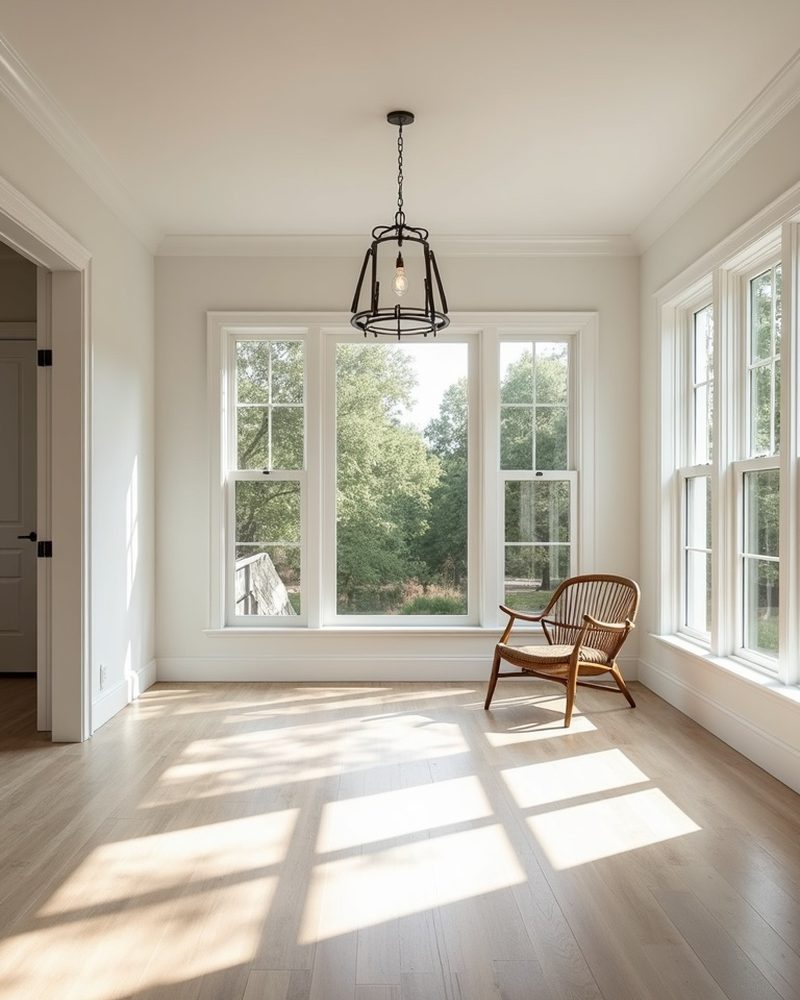
Make targeted improvements that buyers notice. Every market is different, but in Northeast Atlanta the highest return often comes from small, visible upgrades: fresh neutral paint, modern light fixtures, clean landscaping, and high quality photos. Kitchen and bath projects can deliver strong ROI when done to local taste, but unnecessary high-end finishes rarely return their full cost if they push a home out of sync with its block.
Price with precision. Sellers who price based on accurate, recent comps and realistic market feedback sell faster and often at better net results. Buyers who make data-backed offers with clear timelines and solid financing perform better than weak, conditional bids. In tight inventory months, consider escalation strategies or stronger earnest money to stand out; in slower seasons, look for seller flexibility on closing cost credits and timelines.
Prepare for the inspection and appraisal. Sellers benefit from a pre-listing inspection to remove surprises and to build trust. Buyers should budget for repair negotiations and understand the difference between cosmetic fixes and structural issues that affect appraisal value. If appraisal gaps are a risk in competitive bidding, discuss contingency options with your agent or lender early.
Seasonal timing still matters. Spring brings more listings and more buyers, which can drive competition. Fall and winter can yield motivated sellers and better negotiation room. Consider your personal timeline, tax implications of a sale, and local market cycles when choosing listing or buying dates.
Leverage local marketing and professional presentation. For sellers, high-resolution photography, virtual tours, and targeted social media ads focused on nearby schools, commute times, and lifestyle sell homes faster. Buyers benefit from accurate neighborhood intel, such as walkability to parks, proximity to dining corridors, and upcoming community improvements.
A short practical checklist for sellers:
- Collect recent comps on your street
