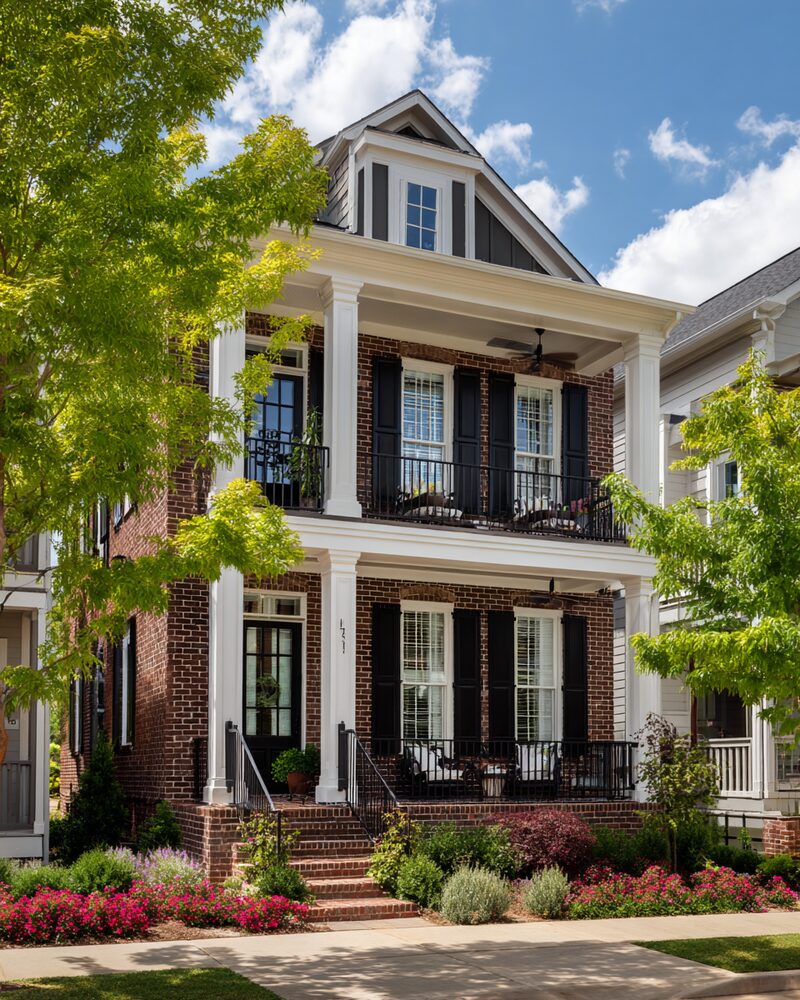
The Northeast Atlanta market moves quickly, but the smartest decisions come from a clear view of local details that matter long after closing. Whether you are buying your first home, upsizing, downsizing or selling to capture equity, focusing on micro factors can turn ordinary transactions into lasting wins. This guide lays out practical, evergreen steps buyers and sellers can use today and reference for years to come in Northeast Atlanta.
Start with a tight map not a broad label. Cities and zip codes hide big variation block to block. Buyers should build shortlists by commute time to key points, school boundaries, and the specific amenities they will use most. Sellers should know which nearby features buyers weight most for a given price tier. That fine-grain approach helps you find properties that match lifestyle and resale demand rather than chasing trends.
Watch local supply signals. Inventory, days on market, and the pace of price reductions in a neighborhood tell a different story than countywide headlines. A rising inventory in one pocket of Northeast Atlanta may be balanced by hyper-competitive demand two miles away. Buyers can use this to time offers and include tighter contingencies. Sellers can price and stage to match the submarket appetite instead of an average metric that misses nuance.
Make schools and access practical, not perfect. Zoned schools influence resale for many buyers, but proximity to a desirable elementary or a quick commute route often beats generic district branding. Consider actual travel times during rush hour and pedestrian access for parents and kids. If a property sits on a favorable school route or a calm walking corridor, that detail compounds buyer interest.
Prioritize durable improvements that buyers value. Kitchens and primary bathrooms still provide strong ROI when done well, but so do smart systems: updated HVAC, newer roof, reliable drainage and insulation. In Northeast Atlanta, properties that address stormwater, foundation settlement risk and attic insulation tend to trade with fewer surprises and stronger buyer confidence. For sellers, a targeted pre-listing inspection that addresses one or two high-impact items can speed closing and avoid price-chipping negotiations.
Think beyond curb appeal to first impressions at entry. Landscaping and exterior maintenance are important, but first impressions extend to driveway condition, front walkway safety, and the arrival sequence. Buyers often make decisions in the first few minutes; sellers who invest in clean, safe, and welcoming arrival paths convert lookers into offers faster.
Be strategic with pricing and concessions. In many Northeast Atlanta submarkets, an accurate initial list price and limited seller concessions create competitive moments that drive better net proceeds. When the market favors buyers, allocate budget to minor renovations or credits that remove friction. When the market favors sellers, keep incentives focused and use a staged negotiation plan to maximize offers.
Leverage inspection and financing readiness. Buyers who get a pre-approval and understand loan timelines win bids. Sellers benefit from buyers with quick financing by crafting closing windows that reduce fallback risk. Consider a pre-listing inspection or offering a short-term home warranty to reduce perceived risk for buyers. For buyers, a pre-offer inspection for a subject-to contract can be a differentiator when sellers value speed and certainty.
Evaluate future neighborhood momentum with caution. Planned transit or redevelopment can add value, but timing and execution vary. Look for concrete permits, phased construction schedules, and public meeting minutes rather than speculation. Neighborhood-level projects that improve walkability or safety, like sidewalk additions or intersection upgrades, tend to create slow, steady value for nearby homes.
Use comparables smartly. Comparable sales should be adjusted for conditions a buyer or seller cannot change easily: lot size, school zone, structural condition and recent significant renovations. Price per square foot alone can mislead when a home has unique floor plans or outdoor spaces that buyers prize. Ask your agent for a comp set that reflects functional attributes, not just similar years and sizes.
Plan renovations with resale in mind. Not every update returns the same value. Neutralized cosmetic upgrades, durable surfaces, and flexible spaces such as home offices or guest suites typically perform well in Northeast Atlanta. Avoid overbuilding for the neighborhood; choose materials and design that appeal to the broadest pool of local buyers while meeting your lifestyle needs.
Monitor tax, insurance and HOA implications. Property taxes, flood insurance requirements and association rules shape carrying costs and affect buyer demand. For sellers, clear disclosure and an organized HOA package reduce friction. For buyers, early review of dues, reserves and covenants prevents surprises and protects long-term value.
Work with a local agent who blends data with neighborhood knowledge. The right agent helps you see patterns in permit activity, school boundary shifts, and street-level trends that raw data misses. If you want tailored advice for a particular block or plan to sell with a targeted timeline, call Larry Wise at 615-738-0015 or visit
wisechoicehomesga.com to get neighborhood-specific guidance and up-to-date market analysis.
Small choices compounded over time create outsized returns in Northeast Atlanta real estate. Whether you are buying to live or investing for future sale, focusing on micro-market realities, practical improvements, and a clear closing strategy will protect your outcome. If you would like a custom neighborhood map or a seller checklist for staging and repairs
