Homes in Northeast Atlanta sell for more than square footage and finishes. Buyers and sellers who pay attention to micro details on a single block can make decisions that improve sale price, shorten time on market, or secure a home below its true value. This guide explains the neighborhood signals that matter today and will stay relevant as the market evolves, whether you plan to buy or to sell in Brookhaven, Dunwoody, Chamblee, Doraville, or nearby pockets of Cobb and Gwinnett counties.
First impressions still matter but the definition of value has broadened. Modern buyers look at commute times, school options, walkability to coffee and groceries, and the condition of neighboring yards and homes. For sellers, that means curb appeal remains important, but so do clear records of maintenance, recent system upgrades like HVAC and roof, and easy access to information about local improvements such as sidewalks, street lighting, and stormwater updates.
Buyers should develop a short neighborhood checklist that goes beyond price per square foot. Key items to track include proximity to transit and highways, typical commute times at rush hour, public school ratings and private school availability, and common neighborhood issues like drainage or street flooding. Visit at different times of day and on weekends to see how traffic, noise, and parking vary. These simple repeats of observation give a clearer picture than any single showing.
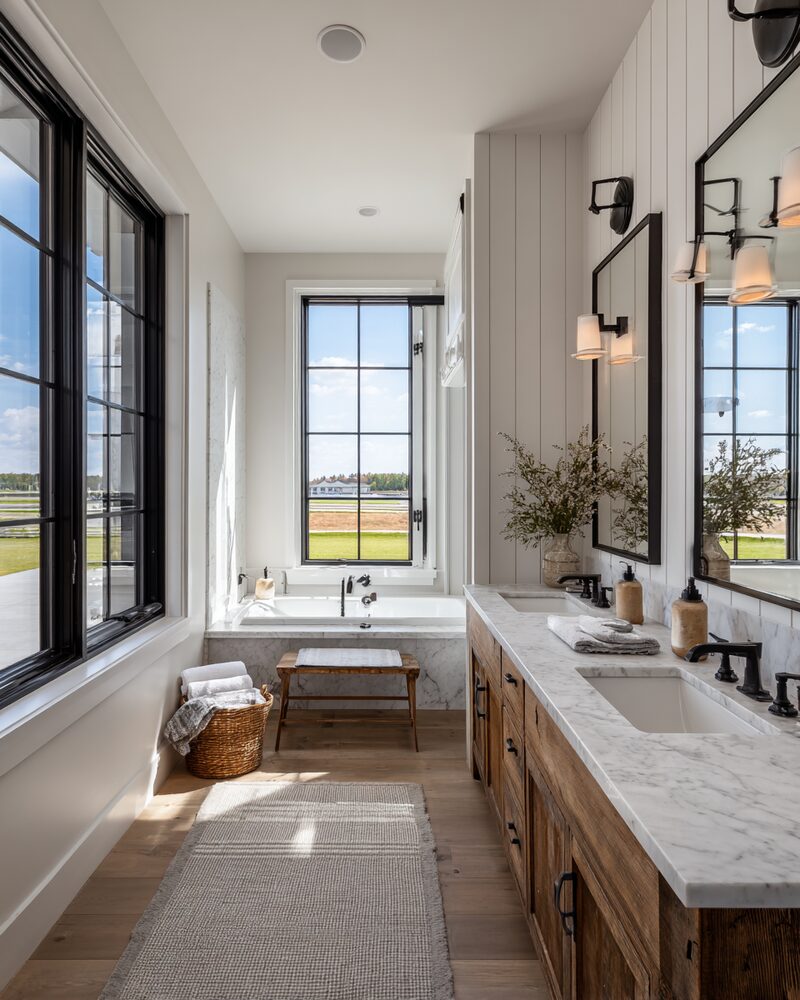
Sellers can boost buyer demand with targeted, cost-effective improvements. Focus on paint, landscaping, and visible maintenance items that reduce buyer uncertainty. Make inspection reports available up front and consider a pre-listing inspection to avoid surprises. Small investments in a dated kitchen or primary bath often yield better returns than cosmetic upgrades elsewhere, but always weigh renovation cost against the comparable sales in your exact block.
Price strategy matters more than ever in Northeast Atlanta micro markets. Homes priced competitively for their block attract more showings and often sell at or above list price in competitive periods. If you are buying, have a pre-approval letter ready and clarify which contingencies you can accept or waive based on the property condition. If you are selling, work with an agent who models different pricing scenarios and shows how small price changes impact buyer traffic and final offers.
Understand how financing and interest rate shifts affect demand in your target price range. When rates rise, buyers may prioritize move-in ready homes or those with lower operating costs such as newer windows and efficient HVAC. When rates fall, more buyers compete broadly and buyers may be willing to take on cosmetic projects. Either scenario rewards sellers who present homes with transparent maintenance histories and clear pricing rationale.
Local amenities and public projects change buyer behavior over time. Keep tabs on new school boundary adjustments, planned transit or road projects, and nearby commercial developments. These can alter long term demand for specific blocks and pockets of Northeast Atlanta. For sellers, highlight proximity to planned improvements when they add convenience or quality of life. For buyers, consider how future projects might impact both daily life and resale value.
Data driven decisions beat guesswork. Look at recent sales on your block, not just the neighborhood. Pay attention to days on market, sale to list price ratio, and trends in inventory for similar homes. For buyers, comparative market analysis helps identify over- or under-priced listings. For sellers, it guides realistic pricing and timelines for staging and showing.
Practical inspection priorities in our climate: roof age and condition, gutter and drainage performance, HVAC history, and evidence of moisture or mold. These items are frequent negotiating levers and can be staged proactively by sellers. Buyers should budget for immediate maintenance and ask sellers for service records to reduce last minute renegotiations.
Staging and photography remain high ROI tactics. In online-first searches, strong photos, well written descriptions that call out local benefits, and virtual tours attract high quality traffic. For Northeast Atlanta listings mention commute corridors, proximity to parks, school names, and neighborhood character. Buyers searching for these phrases are more likely to convert to showings.
If you want a personalized read on your specific street or
