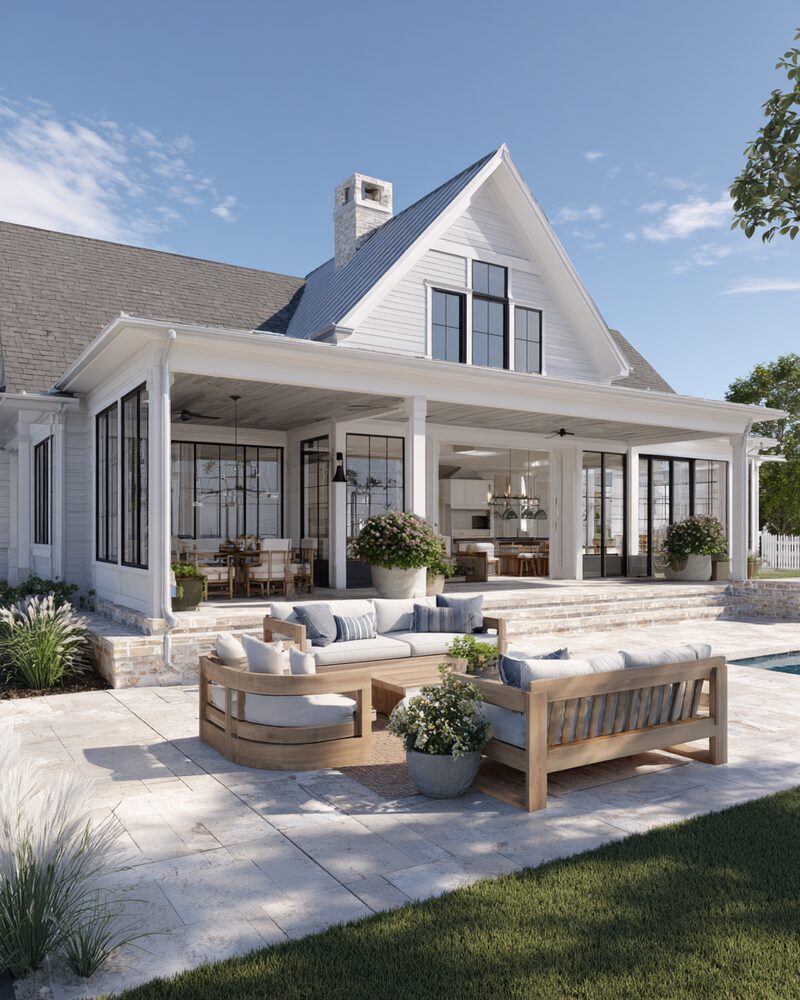
When buyers and sellers in Northeast Atlanta focus only on curb appeal and list price they often miss the quieter metrics that determine true value and sale speed. In a market with changing interest rates, fluctuating inventory, and evolving neighborhood projects, understanding the subtle signals can be the difference between a smooth transaction and a missed opportunity.
Start with hyperlocal comparables not just citywide stats. Sales activity in Brookhaven, Dunwoody, Chamblee, North Druid Hills, Tucker or Doraville can vary street by street. Pull comps within a one mile radius and adjust for lot size, renovation level, and school boundaries. That precision helps sellers price competitively and helps buyers avoid overbidding on homes that look similar but are in weaker micro-markets.
Pay attention to commute patterns and transit projects. A new MARTA station, planned road improvements, or even a repaved commuter route can quietly lift demand in specific neighborhoods. For buyers this means thinking beyond today: consider a five to ten year commute outlook. For sellers, highlighting proximity to upcoming transit projects in your listing can attract buyers focused on long term convenience.
School zones and boundary shifts matter more than many realize. Even if a home is not in a top-rated district today, proposed rezoning, private school options nearby, or strong performing elementary schools within walking distance can boost buyer interest. Buyers with children should verify current zones and ask their agent about historical rezoning trends; sellers should include school information in marketing materials when favorable.
Inspect for local maintenance issues that repeat in our region. Homes in Northeast Atlanta commonly face foundation concerns related to clay soils, older roof and gutter wear from heavy storms, and drainage issues on sloped lots. Addressing or documenting these items upfront with a pre-inspection can reduce buyer friction and support asking price. For buyers, knowing typical regional inspection pitfalls shortens negotiation timelines and lowers surprise repair costs.
Smart staging and practical upgrades win more than expensive remodels. In this market, targeted investments such as fresh paint in neutral tones, modern light fixtures, updated kitchen hardware, and landscaping that improves water runoff often return more than major structural overhauls. Sellers who focus on visible, cost-effective improvements create stronger first impressions and more competitive offers.
Understand pricing psychology and time of year dynamics. While spring tends to bring the most buyers to the market, sellers who list strategically in early fall can attract motivated buyers looking before year end. Pricing within three to five percent of recent relevant comps brings attention from buyers using search filters and increases the chance of multiple offers. Buyers should study days on market trends and be ready to submit clean, well-documented offers when inventory is thin.
Leverage negotiation levers beyond price. Sellers can offer flexible closing dates, include a home warranty, or pre-pay HOA fees to smooth transactions. Buyers can strengthen offers with
