Home decisions in Northeast Atlanta are more than emotional choices. They are long term financial moves that should balance lifestyle, resale prospects and local market reality. Whether you are buying your forever home or selling to capture equity, approaching the process with an investor's checklist helps you make smarter, faster, and more profitable choices. This post explains what that checklist looks like for this region and gives practical steps you can use today and years from now.
Start with market context not headlines. National interest rates and media buzz matter, but the factors that will actually affect the value of a Northeast Atlanta property are things like inventory levels in your price band, school boundary shifts, new road projects, and the calendar for new construction deliveries. Track simple local indicators monthly: number of active listings, median days on market, and median sold price for homes similar to yours. Those three numbers reveal whether you have a buyers market, a sellers market, or something in between.
For sellers think like an investor by maximizing net proceeds, not just the sales price. That means calculating likely closing costs, staging and repair expenses, any pre-sale inspections you choose to do, and realistic marketing timelines. A home that fetches $10,000 more but sits on market 90 days longer could cost you in mortgage carry, utilities and the inconvenience of extended showings. Conversely, pricing accurately to attract multiple offers can reduce time on market and often produce a stronger net result.
For buyers the investor mindset focuses on future resale and cost of ownership. Ask how easy it will be to re-sell in five to ten years. Consider the functional layout, ceiling heights, number of full baths relative to bedrooms, and yard usability. Pay attention to maintenance items that have large replacement costs or complicate financing later: roof age, HVAC, well and septic (if applicable), and foundation history. Evaluate commute times to major job centers and access to highways like GA 400 or I 85, because commute impact is a steady demand driver in Northeast Atlanta.
Local amenities drive value more than generic features. Proximity to quality schools, walkable shopping nodes, parks, and healthcare centers amplifies demand. New mixed-use developments, grocery anchors, or corporate relocations in a corridor can shift buyer preferences in a few years. When you tour homes, map nearby amenities and planned projects and weigh them into your offer or pricing strategy.
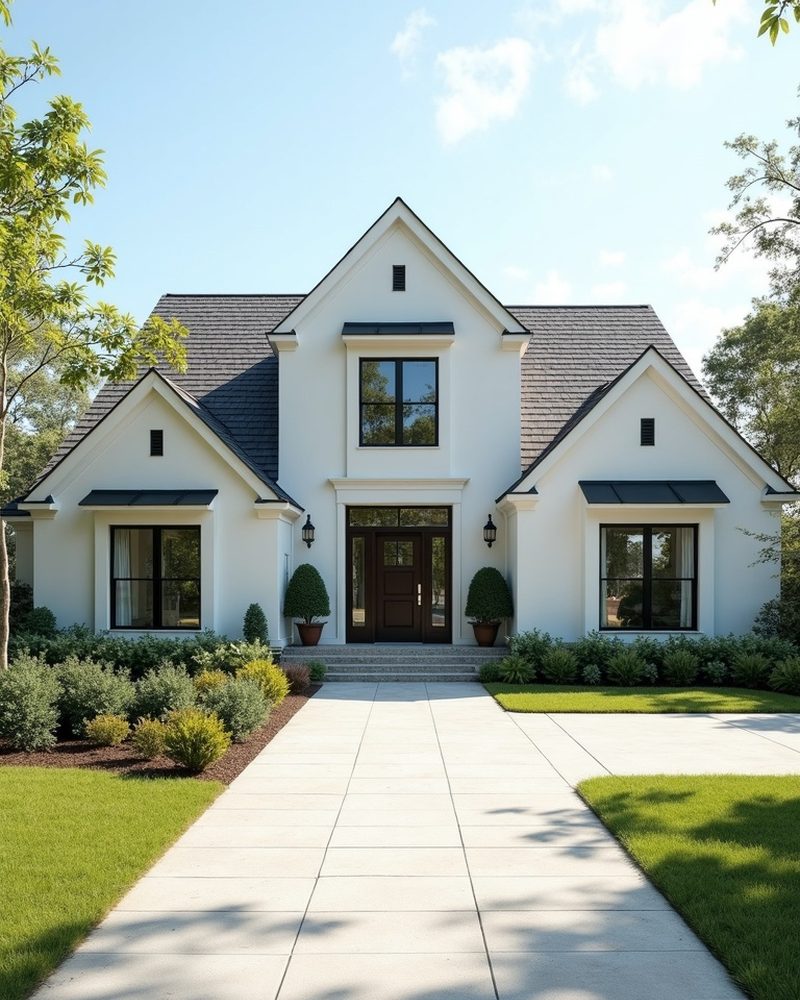
Renovation decisions should be ROI-driven. In Northeast Atlanta, kitchens and primary bathrooms typically deliver strong returns, but smaller improvements like fresh paint in neutral tones, modern lighting, and updated hardware often produce faster results with lower upfront cost. Curb improvements and professional landscaping create outsized first-impression value because online photos do a lot of the selling before buyers walk through the door.
Inspection and disclosure strategy matters for both sides. Sellers who complete a pre-listing inspection can reduce surprises in negotiations and accelerate closing timelines. Buyers should budget for thorough inspections and consider targeted follow-ups for systems that show wear. For new construction, understand the warranty period and get key items documented in writing. These steps protect value and prevent last-minute price erosions during escrow.
Pricing is a science and an art. Use recent comparable sales within a two to three mile radius and 90 days when possible. Adjust for lot size, recent renovations, and unique features. If comparable sales are sparse, look at similar nearby neighborhoods and normalize for differences. For listings, a well-priced home with professional photos, a strong online description, and flexible showing availability usually outperforms an overpriced listing that accumulates price reductions.
Marketing for sellers should be targeted not generic. Buyers in Northeast Atlanta search by school zones, commute thresholds, and neighborhood character. Make sure your listing copy and photos highlight those local search terms and emphasize what makes your home distinct: morning sun exposure, walkability to parks, upgraded systems, or deeded community benefits. Video walkthroughs and accurate floor plans reduce wasted showings and speed decision making.
For buyers, use pre-approval and local market knowledge to make compelling offers. Pre-approval shows sellers you are serious; a tailored personal letter that explains your connection to the area can help in competitive situations. Consider contingencies carefully: some are essential (inspection, clear title), while others can be adjusted to improve offer strength depending on the market conditions.
A quick evergreen checklist to save or make money in Northeast Atlanta:
- Monitor local inventory, median sold price, and days on market each month.
- Sellers: get a pre-listing inspection and prioritize cost-effective cosmetic updates.
- Buyers: verify school boundaries, HOA rules and future area development plans.
- Both: confirm major system ages (roof, HVAC, plumbing) and factor replacement timing into offers or pricing.
- Use high-quality photos and precise listing details to match what local buyers search for.
If you want detailed neighborhood comparisons, a market valuation for your current home, or to see
